Free learning resources

Read the story.
Teach the skills.

Use the complete book and a ready-to-teach curriculum to make money lessons memorable, practical, and welcoming for young learners.

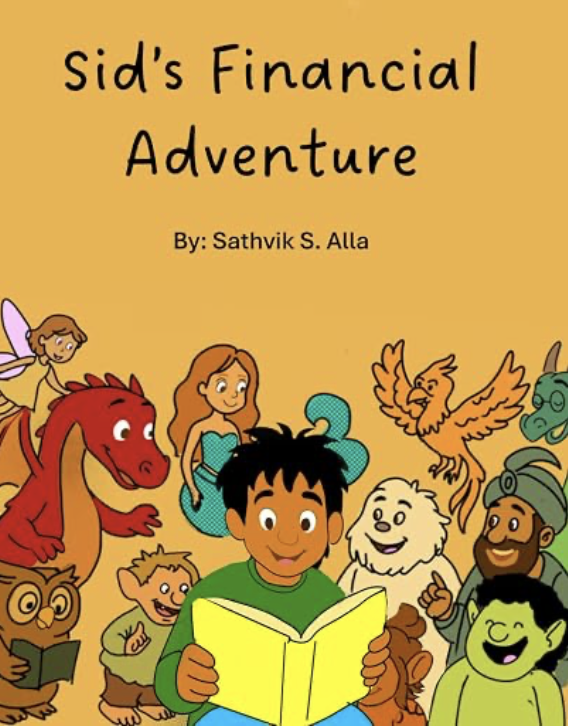
Cover of Sid's Financial Adventure

THE COMPLETE BOOK

Sid's Financial Adventure.

Follow Sid through Moneyland as a cast of memorable characters introduces earning, saving, spending, sharing, budgeting, borrowing, goal setting, comparing prices, giving, learning, and investing.

25illustrated pages
11money concepts
1matching activity

READ ONLINE

Flip through the full book.

If the reader does not load on your device, use the Open the book button above.

DETAILED CURRICULUM

Six lessons for
real-life confidence.

This general financial literacy sequence is designed for ages 5-10 and can be adapted for classrooms, libraries, youth groups, or families. The lessons stand on their own, with the book available as an optional reading resource.

LEARNERSAges 5-10Adaptable by reading level
FORMAT6 lessons45-55 minutes each
MATERIALSSimple suppliesBook, paper, pencils, pretend coins
METHODStory + practiceDiscussion, activity, reflection
01

FOUNDATIONS · 45 minutes

Understanding Money

Money is a tool people use to exchange, plan, and make choices.

Learning objectives

  • Recognize common forms of money and explain what money is used for.
  • Explain that money is earned through work, effort, or providing something useful.
  • Identify safe, age-appropriate examples of earning and receiving money.

Lesson activities

  1. Sort picture cards into goods, services, and things money cannot buy.
  2. Match community jobs with the goods or services they provide.
  3. Practice counting and exchanging pretend coins in a classroom store.

Discussion promptWhy do people use money? What are some important things that do not have a price?

Quick assessmentStudents draw or describe one way money can be earned and one responsible way it can be used.

02

DECISION MAKING · 55 minutes

Needs, Wants, and Choices

Thoughtful choices begin by understanding needs, wants, and limited resources.

Learning objectives

  • Distinguish basic needs from wants using everyday examples.
  • Explain that choosing one item can mean waiting for another.
  • Use a simple decision process before making a purchase.

Lesson activities

  1. Sort illustrated items into needs, wants, or depends, then discuss the gray areas.
  2. Give each group a small pretend budget and ask them to choose items for a day trip.
  3. Use Stop, Think, Choose cards to practice making thoughtful buying decisions.

Discussion promptCan the same item be a need for one person and a want for another? Why?

Quick assessmentStudents classify four examples and explain one choice using the word because.

03

MONEY PLANNING · 50 minutes

Saving, Spending, and Sharing

A simple plan helps give every dollar a purpose.

Learning objectives

  • Define saving, spending, and sharing in everyday language.
  • Divide a small amount of pretend money among three categories.
  • Explain how a plan can change when priorities change.

Lesson activities

  1. Create three labeled envelopes or containers: Save, Spend, and Share.
  2. Use twelve pretend coins to build a personal plan and explain each choice.
  3. Respond to a surprise card by adjusting the plan without adding more money.

Discussion promptWhy might two people divide the same amount differently? What makes a plan responsible?

Quick assessmentStudents complete a three-part money plan with accurate totals and one reason for each category.

04

EVERYDAY SKILLS · 55 minutes

Budgeting and Tracking

Tracking money helps people stay within a plan and prepare for future choices.

Learning objectives

  • Record money received and money spent in a simple log.
  • Add costs and compare a total with a set budget.
  • Revise a plan when the total is greater than the available amount.

Lesson activities

  1. Run a pretend store and record each purchase and the remaining balance.
  2. Build a one-day budget for food, fun, and transportation using picture cards.
  3. Solve an over-budget challenge by removing, replacing, or postponing an item.

Discussion promptWhy are small purchases easy to forget? How can tracking change a future decision?

Quick assessmentReview each student's completed spending log for correct entries, total, and remaining balance.

05

PLANNING AHEAD · 50 minutes

Goals, Prices, and Smart Shopping

Goals and price comparisons help turn future wishes into practical plans.

Learning objectives

  • Set a specific and realistic short-term savings goal.
  • Break a goal into smaller saving steps.
  • Compare similar products using price, amount, quality, and usefulness.

Lesson activities

  1. Complete a goal ladder with the item, total cost, saving amount, and number of weeks.
  2. Compare pairs of products and choose the best value using two pieces of evidence.
  3. Practice waiting by choosing between a small reward today and progress toward a larger goal.

Discussion promptIs the lowest price always the best choice? What can make waiting for a goal worthwhile?

Quick assessmentStudents present a savings goal and a short recommendation comparing two buying options.

06

RESPONSIBILITY · 55 minutes

Borrowing, Giving, and Growing

Responsible money habits include keeping promises, helping others, and thinking long term.

Learning objectives

  • Explain that borrowed money must be repaid according to an agreement.
  • Identify responsible ways to give money, time, or useful items.
  • Describe how saving and investing both involve planning for the future.

Lesson activities

  1. Compare borrowing money with borrowing a library book and list the responsibilities involved.
  2. Design a class giving plan that identifies a need, a safe action, and the intended impact.
  3. Model gradual long-term growth with counters and create a personal healthy-money promise.

Discussion promptWhat should we know before borrowing? How can we help others and still plan for our future?

Quick assessmentStudents explain one borrowing rule, one thoughtful way to give, and one long-term money habit.

FINAL PROJECT

My Money Adventure Plan

Students create a one-page plan showing how they would earn or receive money, divide it among saving, spending, and sharing, track one week of choices, compare one purchase, and name a long-term goal. Finish with a short presentation explaining the reasoning behind each choice.

Success criteria

  • Uses all three categories purposefully
  • Includes accurate totals
  • Explains a price comparison
  • Names one responsible borrowing rule
  • Connects a habit to a future goal

LET'S MAKE MONEY MAKE SENSE

Bring the adventure
to your community.

Interested in a workshop, school visit, or partnership? Let's help more young people build financial confidence.